TRTCanada.ca: how testosterone is assessed, accessed and paid for
Low testosterone is diagnosed on symptoms plus morning blood testing, not on symptoms alone, and what testing is needed to confirm it is a decision your doctor or nurse practitioner makes case by case. Once it is confirmed, care can be arranged through an online clinic, through your family doctor or nurse practitioner, or through an in-person clinic, and what each costs depends on the charges, the province and who pays.

A reference written for the person making the decision, not for specialists. It reads the clinical guidelines and the review literature and puts them in plain language, and it records what each route publishes, what providers have confirmed directly, and what this site estimates from those figures, each labelled and dated. Where nothing is published or confirmed, it says not confirmed. Where two sources disagree, it shows both.
Where you are, and what comes next
- Understanding symptoms and testing. What a diagnosis involves, when the blood test is drawn, and what to ask at the appointment. Next: compare the ways to get care.
- Comparing care routes and costs. Online clinics, your family doctor or nurse practitioner, and in-person clinics, side by side, with what each charges and what that comes to per month and per year. Next: know what treatment and follow-up involve.
- Treatment and ongoing monitoring. What the evidence shows, what gets checked and how often, and what to do if your medication is reported short. Then: your province's rules and the evidence guides.
Ways to access TRT care in Canada
Three routes, which overlap: a family practice or a specialist clinic may also see you by video, and an online clinic may send you to a laboratory in person. How each route is paid for is a separate question from how it is delivered, and is set out under the cards.

Online clinics
9 Canadian services publish a testosterone offering online. They differ in which provinces they list, what they charge for assessment and follow-up, and whether medication, dispensing and shipping are priced separately. The table records all of it, alphabetically, with sources.
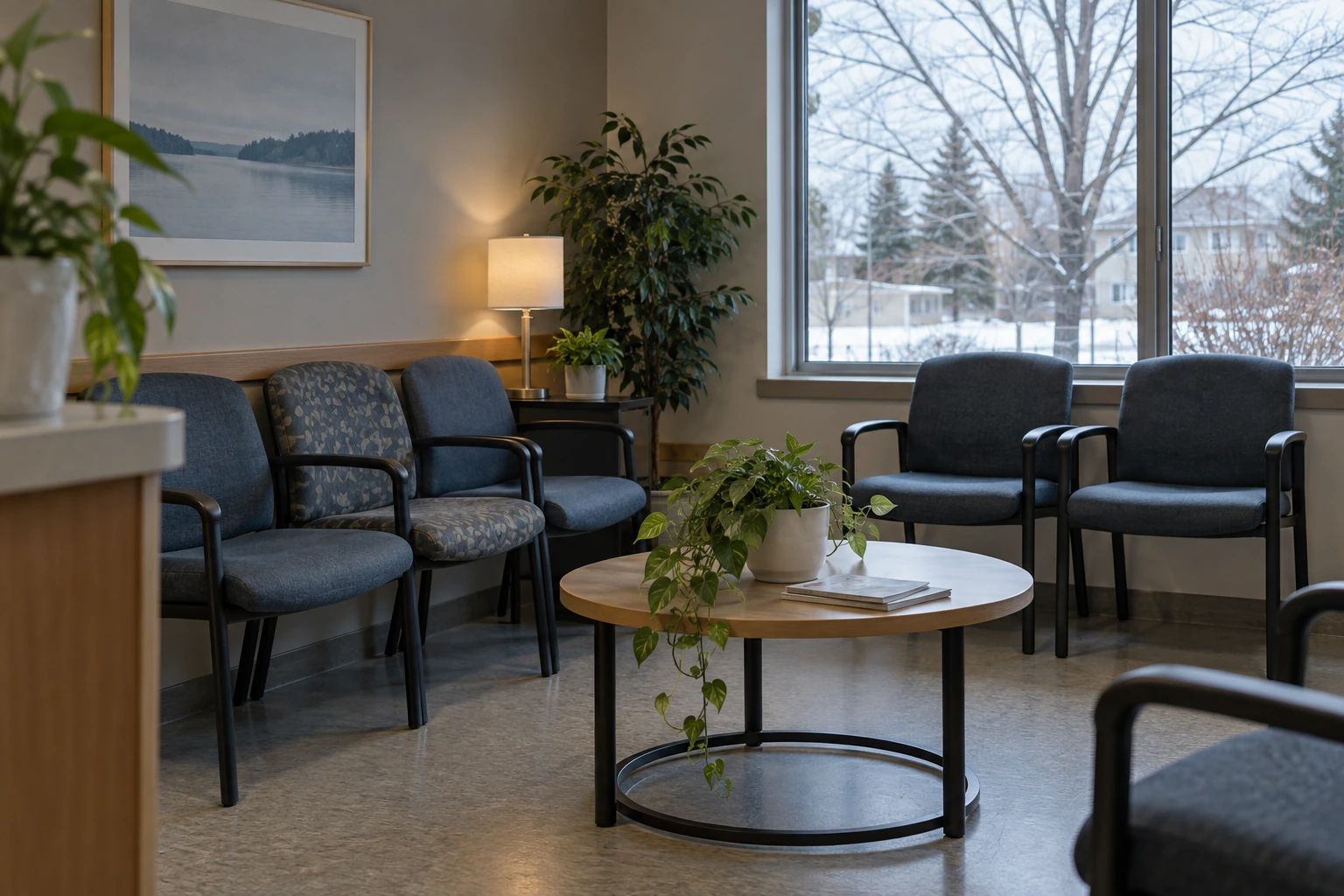
Your family doctor or nurse practitioner
Orders the blood work and prescribes if the result and the history support it. If you have no family doctor, most provinces run an attachment registry (Saskatchewan does not yet) and every province has a health advice phone line. Some practices offer virtual visits.

In-person TRT and specialist clinics
Clinics with a street address where you are seen face to face. 2 in the dataset have a verified location. Some also advertise virtual appointments. Most publish no price. Specialist referral runs through your doctor.
How each route is paid for
A visit to a family physician or nurse practitioner is publicly insured in every province, and so is the blood test when a clinician orders it for a medical reason. Online clinics and private in-person clinics charge their own fees. The medication itself may be covered by a public drug plan, with criteria that differ by province, by workplace or personal insurance, or paid out of pocket. The access page has the public plan status for each province with the date it was checked; the costs page has every published charge.
Online versus in-person care
Neither is better for everyone. What each is good and less good at, so you know what to check before choosing.
| Consideration | Online clinic | In-person clinic or practice |
|---|---|---|
| Travel | None for the consultation. Blood work still happens at a laboratory near you. | Travel for each visit and for blood work, which may be drawn on site or at a laboratory. |
| Appointment flexibility | Often by message or short video call, sometimes outside office hours. Response times vary by service. | Booked appointments in office hours. Waiting times vary by clinic and by province. |
| Physical examination | Not possible remotely. Ask how the clinic handles findings that need a hands-on examination. | Done in the room. Useful where the history or the results raise something to examine. |
| Blood testing | A requisition is sent to you or to a laboratory. Whether the laboratory charge is covered depends on the province and who orders it. | Ordered by the clinician. Publicly covered when a family physician or nurse practitioner orders it for a medical reason; a private clinic may charge. |
| Continuity of care | Depends on the service. Ask whether you see the same prescriber and whether results go to your family doctor. | Usually one clinician or team over time, with your record in one place. |
| Costs | Published fees, memberships and medication prices, listed on the costs page with estimates. | A family practice visit is publicly insured. Private clinics set their own fees, and most in the dataset publish none. |
| Follow-up | Each service publishes its own interval, recorded in the providers table. That is the service's schedule, not a medical recommendation. | Set by the clinician against the guideline schedule on the monitoring page. |
Before choosing, read how assessment works, then compare the providers and the costs.
Start with your province
Access rules, drug plan criteria and waiting times are provincial. Pick yours for the registry, the phone line, the public plan status with the date it was checked, and which services list that province, with any qualification beside them.
- Alberta
- British Columbia
- Manitoba
- New Brunswick
- Newfoundland and Labrador
- Nova Scotia
- Ontario
- Prince Edward Island
- Quebec
- Saskatchewan
What it costs
A headline price is rarely the whole bill. Membership, the initial assessment and lab requisition, the practitioner consultation, laboratory testing, medication and the dispensing fee, follow-up and shipping are separate charges, and different services include different ones. The costs page puts what each provider publishes for medication beside an estimate of what that comes to per month and per year, with the assumption in the same cell, then lists every published charge by category. An estimate is labelled as one, never shown as a quoted price, and never says which service is cheaper.
If your medication is reported short
Testosterone products go short in Canada from time to time, sometimes for weeks. The shortages page explains why, records which products are reported short on Drug Shortages Canada with the date, and sets out what to ask your pharmacist and prescriber, with what each provider publishes about availability on the same terms.
Before you read the numbers
Prices and province lists change without notice. Every figure here carries the date it was checked, which was 12 September 2026 for this release, with provinces and scope re-checked on 18 September 2026. Check the provider's own page before you rely on one, and check any pharmacy on its provincial regulator's public register.
Common questions
Can you get TRT in Canada?
Yes, with a prescription. A family doctor or nurse practitioner can assess you, order the morning blood tests and prescribe if low testosterone is confirmed. Online services also offer TRT in the provinces they list. Treatment should follow symptoms plus a low level confirmed on repeat morning blood tests.
How much is TRT therapy in Canada?
It depends on the service and on the fees beyond the headline price. For the 5 services that publish enough to estimate a year, this site's estimated yearly subtotals run from $636 to $1,236 (UPGUYS) up to $2,300 to $2,860 (Enhanced Men's Clinic), before lab tests and any fees a service does not publish. A provincial drug plan may cover part of the medication.
Can you buy TRT over the counter in Canada?
No. Testosterone is a controlled substance in Canada and needs a prescription from a licensed practitioner, filled by a licensed pharmacy. "Testosterone boosters" sold in stores are supplements, not testosterone, and experts say they do not raise hormone levels.
Is TRT as bad as steroids?
Testosterone is itself an anabolic steroid. TRT aims to bring a confirmed low level back into the normal range under a prescriber, with regular blood tests. Steroid misuse typically means much higher doses without monitoring. TRT still has real risks, including a rise in red blood cells and suppressed fertility, which is why monitoring is part of treatment.
More on costs is on the cost page, and more on who should and should not be treated is on what guidelines, experts and patients say.
How this site is written
- Evidence
- Clinical statements come from published practice guidelines, review articles and Canadian product labelling, and each one is cited with its date. Those documents are written for clinicians, so the work here is saying what they actually mean in ordinary words, without softening what the evidence does and does not support.
- Publisher
- Published by TRTCanada.ca. The site names no individual author, and what it is worth rests on the sources named beside every figure rather than on a byline. It publishes general information and does not give clinical advice about any individual.
- Three kinds of figure
- Every figure is labelled: published by the provider, with the page and the date checked; confirmed directly with the provider by this site, with the date, the method and the responding role; or an editorial estimate, with the assumptions beside it. Anything not published and not confirmed is written as not confirmed, and where two sources disagree both are shown.
- No scores
- Every provider carries identical fields, in alphabetical order. There is no score, no overall rating and no assessment of quality.
- How it is made
- Every provider is recorded on the same terms, with the same fields and the same research standard. The about page sets out the method in full.
Sources
- Canadian Urological Association guideline on testosterone deficiency, CUA Journal. Source date 1 October 2021. Checked 12 September 2026.
- Testosterone therapy in men with hypogonadism, clinical practice guideline, Endocrine Society. Source date 1 May 2018. Checked 12 September 2026.
- Health Connect Registry, HealthLink BC. Government service page, no date shown. Checked 12 September 2026.
- Find a family doctor or nurse practitioner, Government of Ontario. Government service page, no date shown. Checked 12 September 2026.